


World At Sea
Sea to Strategy: The Journey of Hemant Keni
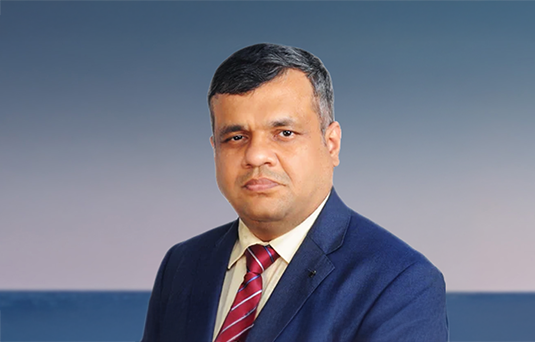
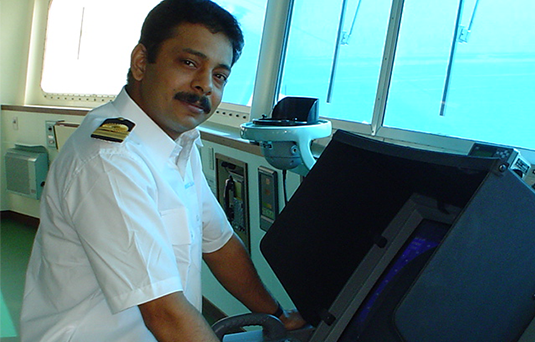
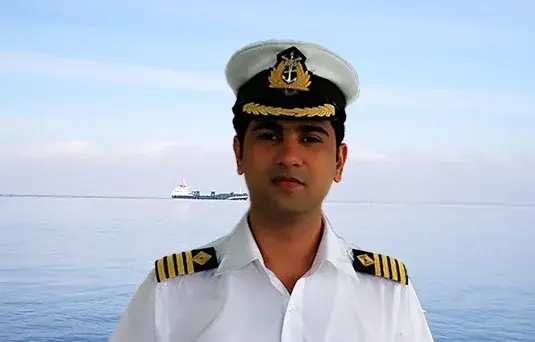
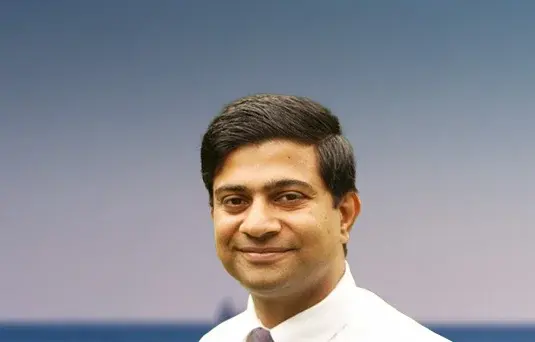
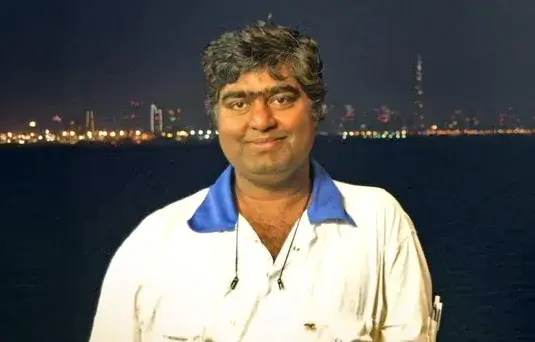
Chief Engineer, Hemant Keni
From Mulund to the Middle of the Ocean. The Journey of Hemant Keni, Chief Engineer
01
Let us start at the beginning. Was shipping always part of the plan?
Not at all. In fact, if life had gone as planned, I would probably be in a kitchen right now, not on a ship.
I grew up in Mulund, did well in studies, and had a very clear dream. I wanted to become a chef. Cooking was not just a hobby, it was something I genuinely saw as a career.
Shipping was always around me though. My father worked at Mazagon Dock and my brother was already in the shipping line. So it was familiar, just not my path.
After my 12th, I secured admission for hotel management at St. Xavier’s. But the fees at that time were around seventy-five thousand, which was significant. A friend and I had both planned to join, but I had to step back.
And like most Indian kids suddenly negotiating with reality, I found myself applying for engineering.
02
So how did engineering turn into shipping?
With a mix of practicality and quiet influence.
I initially got admission into Marine engineering, but it never felt right. Since shipping was already part of my environment, it slowly became the more natural direction.
I pursued Marine engineering through Mazagon Dock for employees’ children, and that is where things started aligning.
After completing my engineering, I cleared my MMD exams, got my license, and stepped into the shipping world. My first contract was about seven months at sea, and that is when theory met reality.

03
What was your first experience at sea like?
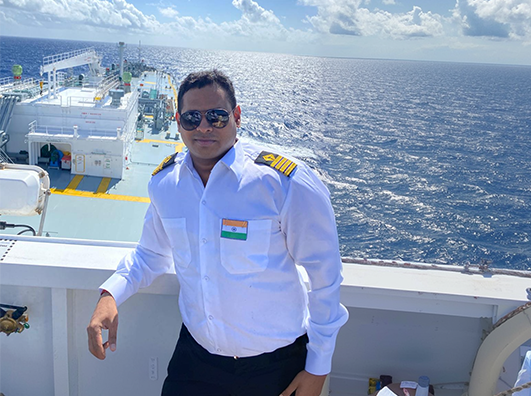
Imagine stepping into a completely different universe. New people, new systems, no familiar faces, and no easy way to call home. The homesickness was real. There were moments where I felt completely out of place. You had to make that extra effort to start conversations and build your place in the team. Then there was the sea itself. The rolling, the long voyages, the discipline. It tests you in ways you do not expect. But I will admit, the salary helped. That was definitely a big comfort. Over time, something shifted. What once felt unfamiliar slowly started feeling like a rhythm I understood. And before I knew it, I was not just adjusting, I was enjoying it.
04
How did your journey progress from there?
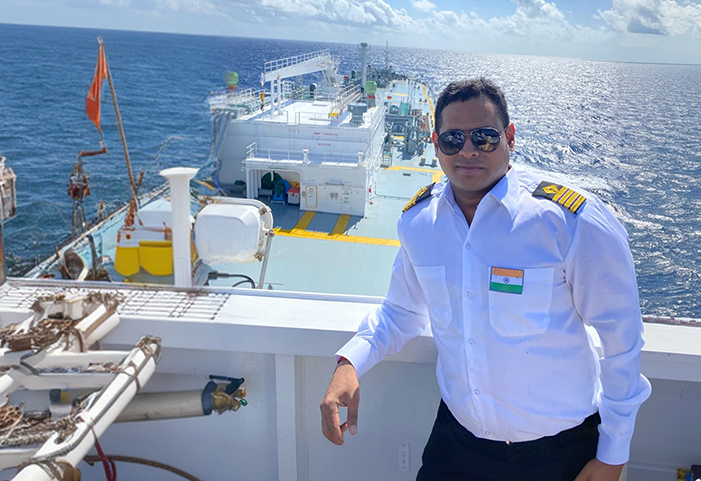
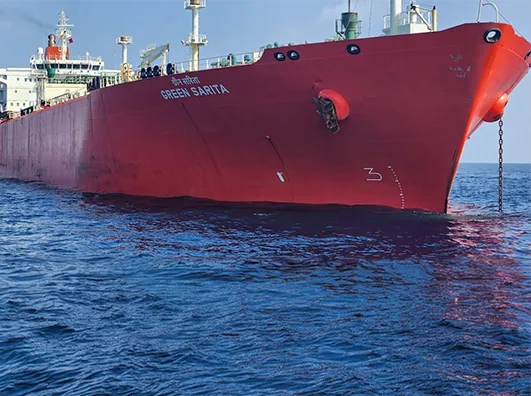
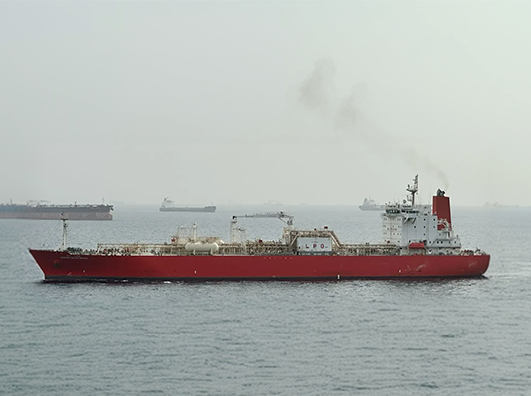
One step at a time, with a lot of effort behind each step. I moved up the ranks, became a fourth engineer, then served as a third engineer on a gas tanker, and eventually became a chief engineer. In shipping, there is one simple rule. You work hard, and you study even harder. Every rank comes with exams, responsibility, and the need to constantly prove yourself.
05
Was there a moment that truly tested you?
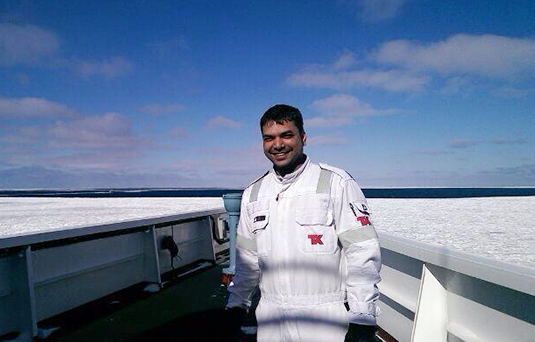
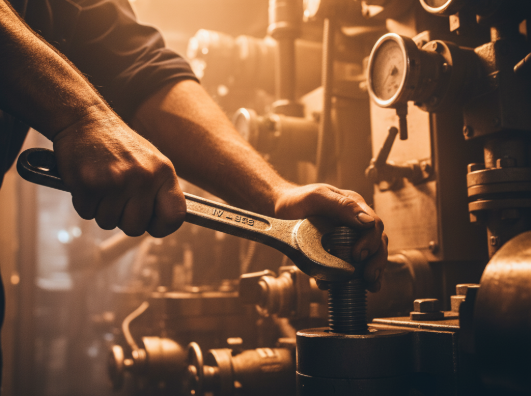
Yes, one incident is etched in memory. We were on a voyage when the main engine suddenly slowed down and then stopped. Completely. For nearly forty eight hours, we tried everything. We could not identify the issue. Now imagine the situation. You are in the middle of the sea, with a full crew depending on you, and time is not on your side. At that moment, it is not just about technical knowledge. It is about leadership. You have to keep morale high, manage fatigue, and still think clearly. Finally, we made a bold decision. We pushed the engine with full fuel, beyond normal limits. Typically, operations run at around eighty percent, but here we moved forward at a much lower RPM just to regain control. We managed to reach Yeosu Port in South Korea, where we anchored for repairs. Those forty eight hours tested everything. Technical skill, people management, and decision making under pressure.
06
After eighteen years at sea, what made you come back?
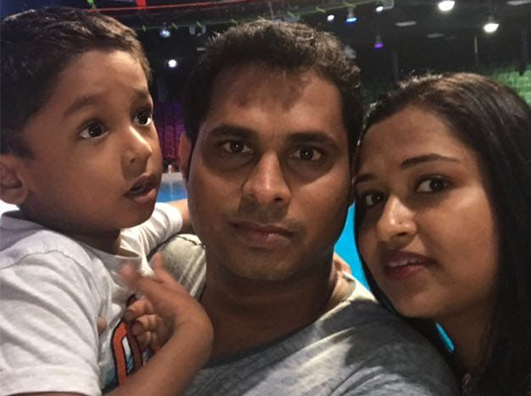
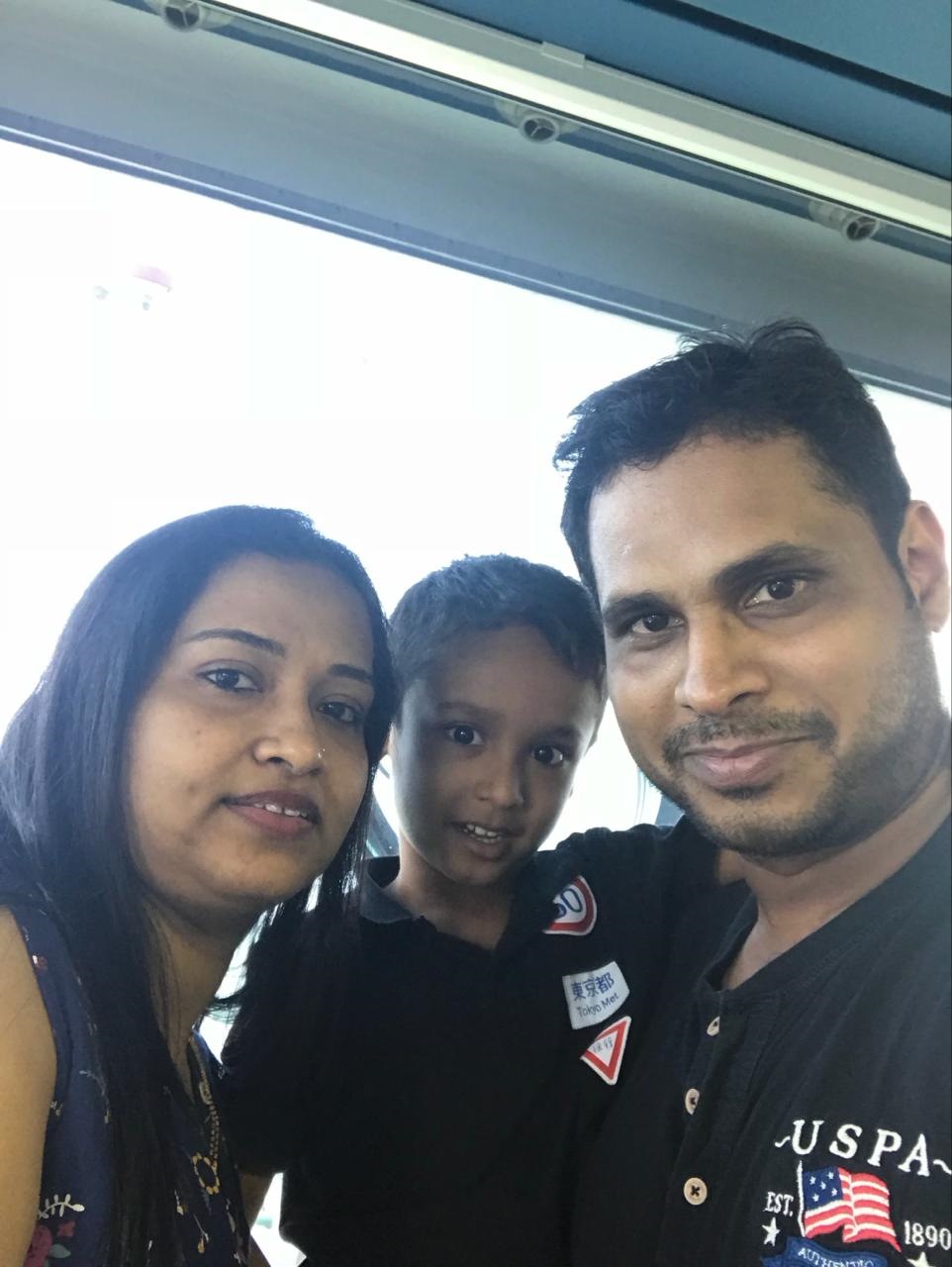
This was a deep personal decision. At one point, I realized my son had stopped seeing me as a constant in his life. He had started behaving like he was the man of the house. That was a moment of truth. I was gaining so much professionally but missing something I could never get back. His childhood. Shipping gives you a lot. Good money, global exposure, a unique life experience. But it also takes you away from your family for long periods. And for me, that was the point where I chose to return.
07
What are the moments from sea life that still stay with you?
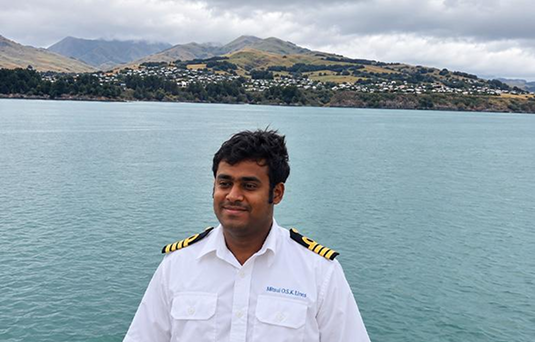
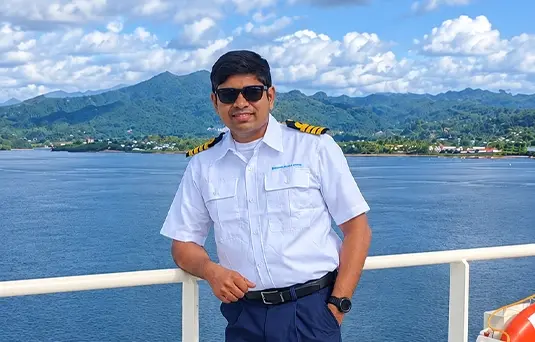
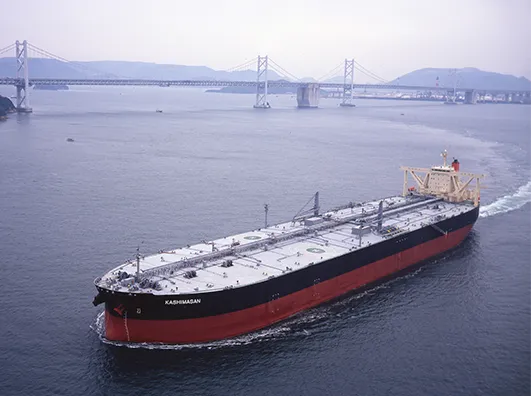
Interestingly, the most memorable moments are often the simplest ones. Watching the sunrise in the middle of the ocean. Having evening tea on deck with nothing but water around you. There is a calmness there that is difficult to describe. And then, of course, the travel. I have been fortunate to visit places like New Zealand, Cook Islands, Fiji, and Australia. Not many professions give you that kind of exposure. Also, in a way, life did come full circle. I did not become a chef professionally, but on board, I cooked a lot. From chicken tikka to prawn curry, I made sure that part of me stayed alive.
08
How has life at sea changed over the years?
Completely. When we started, communication was extremely limited. Three mails a week and one phone call. That was all you had. Today, you are connected almost all the time. That has made a huge difference, especially in staying close to family even when you are far away.
09
How has your experience been working with MOL onshore?
Very positive. The culture is collaborative, there is openness, and you are given the space to express your thoughts. More importantly, you feel heard. That makes a big difference.
10
What makes this profession special?
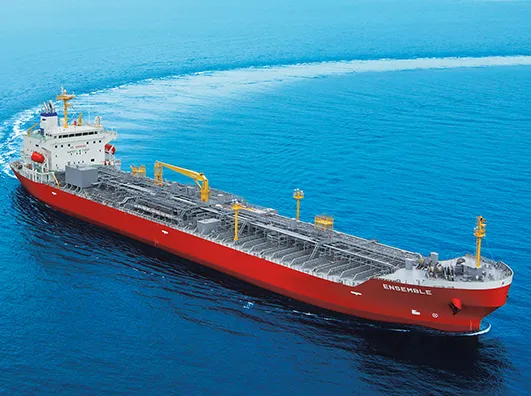
The scale and the reality of it. You are not just learning concepts. You are applying them in real situations, often under pressure, in an environment that demands both technical skill and mental strength. There is something very fulfilling about that.
11
What would you say to someone considering this career?
Come with the right attitude. Be ready to work hard, stay disciplined, and keep learning. If you are committed, this profession will take you further than you expect.
12
And for women who want to join?
Absolutely go for it. Safety standards are strong, the profession is evolving, and there is immense opportunity. It is a rewarding career, and more women should consider it.

Final Thought
Sometimes, life quietly redirects you.
From dreaming of a kitchen in Mulund to managing engines in the middle of the ocean, this journey is proof that the path you do not choose may still choose you and take you exactly where you are meant to be.