


World At Sea
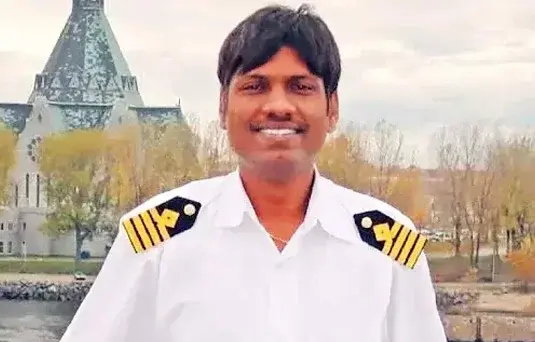
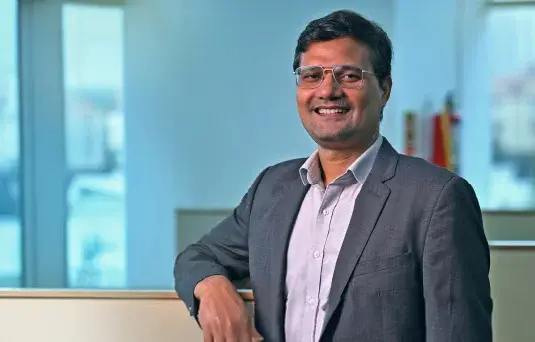
Sea to Strategy: A conversation with Capt. Adhavan Santhanakrishnan
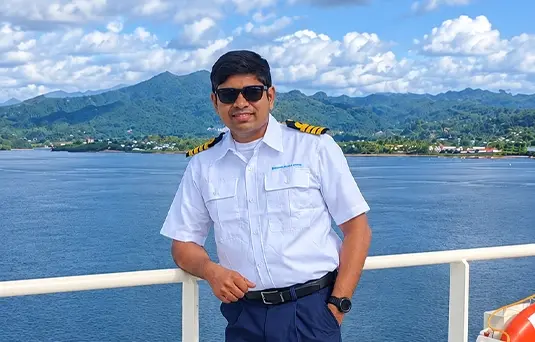
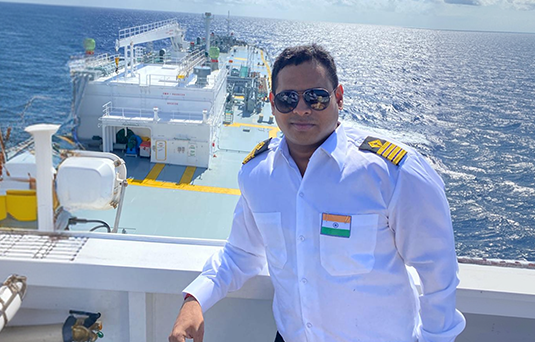
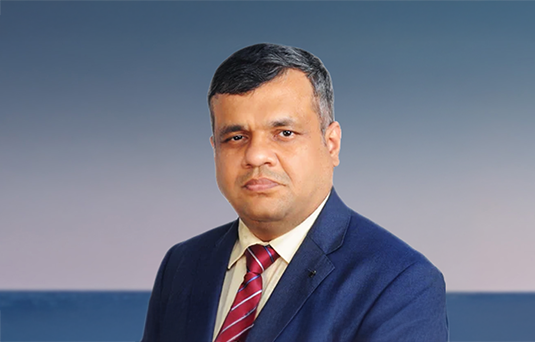
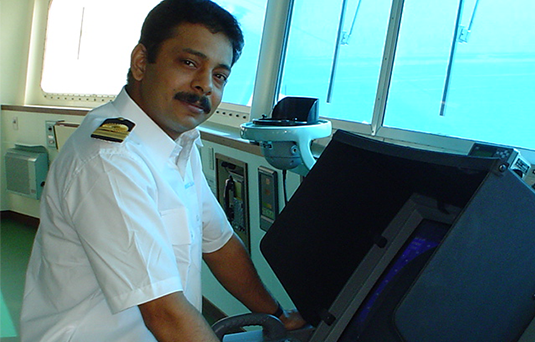
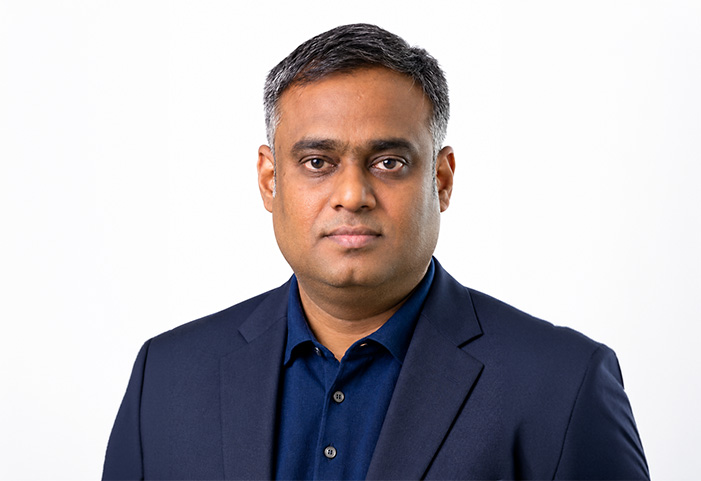
Capt. Adhavan Santhanakrishnan
“The ship rides up the wave and drops off the crest. In that moment, you don’t know if she will come up again.”
01
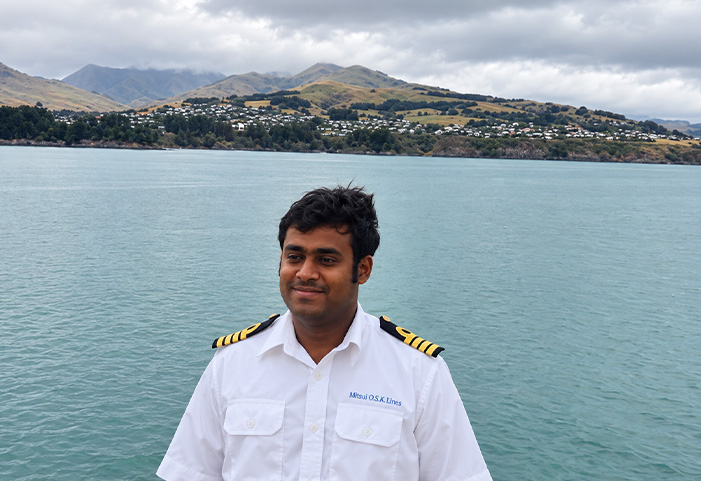
Capt. Adhavan, where did your journey begin?
Early Years
I grew up and completed my schooling in Chennai. At the time, I was preparing for engineering entrance examinations and knew very little about the merchant navy.
An Unexpected Option
The application booklet also contained forms for maritime training institutes. I completed them alongside my other applications, never imagining that one would eventually shape my career.
Engineering Beginnings
I initially enrolled in engineering. Although I stayed only briefly, that period gave me lasting memories and some of my closest lifelong friends.
The Turning Point
Three months later, I received a telegram inviting me to Mumbai for a maritime training interview. Until then, I had not seriously considered the profession. The telegram prompted me to explore it more closely and ultimately changed the course of my life.
I grew up and completed my schooling in Chennai. At the time, I was preparing for engineering entrance examinations and knew very little about the merchant navy.
An Unexpected Option
The application booklet also contained forms for maritime training institutes. I completed them alongside my other applications, never imagining that one would eventually shape my career.
Engineering Beginnings
I initially enrolled in engineering. Although I stayed only briefly, that period gave me lasting memories and some of my closest lifelong friends.
The Turning Point
Three months later, I received a telegram inviting me to Mumbai for a maritime training interview. Until then, I had not seriously considered the profession. The telegram prompted me to explore it more closely and ultimately changed the course of my life.
02
What made you decide to pursue it?
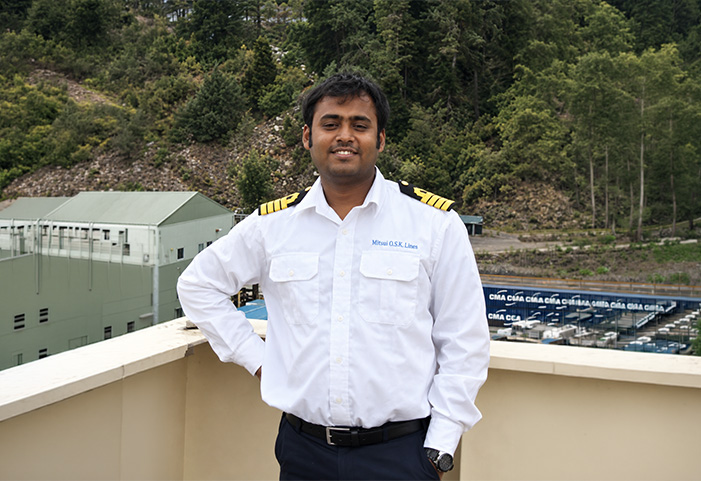
As I learned more about the profession, two things appealed to me at that age: the attractive earning potential and the chance to travel and see the world.
I also naively assumed that joining would mean little further study. I soon realized how mistaken I was: learning and examinations continue throughout a seafarer’s career. In hindsight, that commitment to continuous learning became one of the profession’s greatest rewards.
I also naively assumed that joining would mean little further study. I soon realized how mistaken I was: learning and examinations continue throughout a seafarer’s career. In hindsight, that commitment to continuous learning became one of the profession’s greatest rewards.
03
How did your family react?
No one in my family had ever gone to sea, so my mother’s concern was natural. Even so, she never discouraged me from pursuing the opportunity.
She asked whether I truly wanted this career or simply felt pressure to be independent and start earning. I told her I wanted to try. Her reply was simple: “Go and try. Let’s see what happens.” Looking back, I am grateful that she trusted me and gave me the freedom to make my own decision.
She asked whether I truly wanted this career or simply felt pressure to be independent and start earning. I told her I wanted to try. Her reply was simple: “Go and try. Let’s see what happens.” Looking back, I am grateful that she trusted me and gave me the freedom to make my own decision.

04
What happened after you were selected?
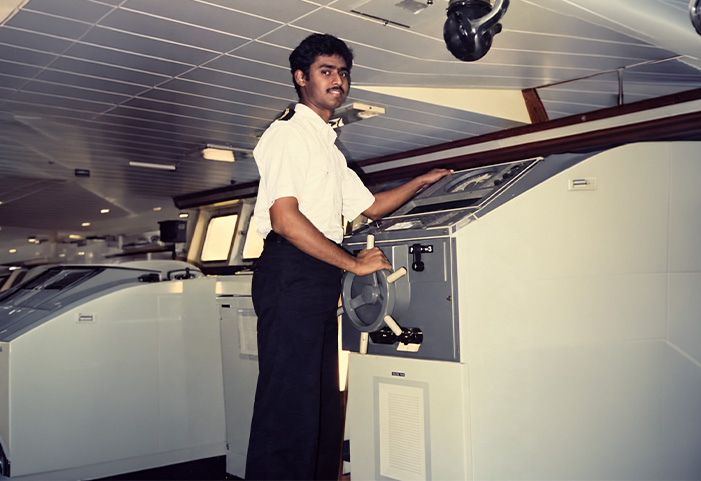
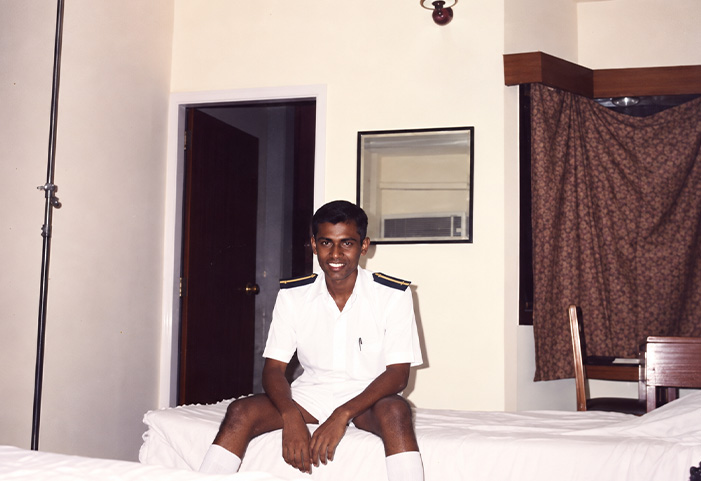
I arrived in Mumbai for the first time without knowing a word of Hindi, passed the medical examinations and enrolled at the Maritime Training Institute in Powai. With everything unfamiliar, I had a great deal to learn in a short time.
Pre-sea training lasted only three months at the time. Soon after, I joined my first vessel, a crude oil tanker. That marked the true beginning of my education as a seafarer—the moment the profession became real to me.
Pre-sea training lasted only three months at the time. Soon after, I joined my first vessel, a crude oil tanker. That marked the true beginning of my education as a seafarer—the moment the profession became real to me.
05
What was life like on that first voyage?
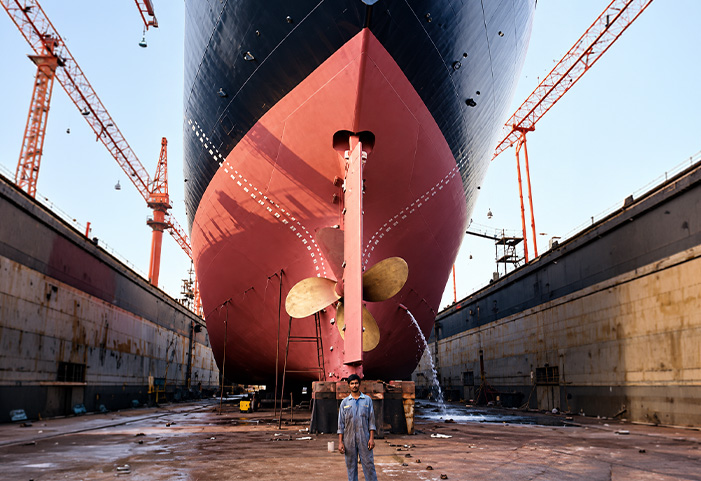
I spent 17 months away from home—an absence that is difficult to imagine today.
Communication was among the greatest challenges. There were no phone calls. A letter from my mother could take two months to reach me, and my reply might take another two months to reach her. We learned to endure the separation, though it was never easy for our families.
At times, news of a personal loss reached a seafarer only a month later. Such experiences reflected the sacrifices that seafarers and their families quietly accepted as part of life at sea in those days.
Even so, we joined knowing that long contracts were part of the profession; spending 12 months at sea was common. One practical benefit was that we accumulated the required sea time quickly, allowing us to advance through our examinations sooner.
Communication was among the greatest challenges. There were no phone calls. A letter from my mother could take two months to reach me, and my reply might take another two months to reach her. We learned to endure the separation, though it was never easy for our families.
At times, news of a personal loss reached a seafarer only a month later. Such experiences reflected the sacrifices that seafarers and their families quietly accepted as part of life at sea in those days.
Even so, we joined knowing that long contracts were part of the profession; spending 12 months at sea was common. One practical benefit was that we accumulated the required sea time quickly, allowing us to advance through our examinations sooner.
06
How did your career progress from there?
I began as a cadet earning ₹1,500 a month. After completing 24 months at sea, I was promoted to Assistant Watchkeeping Officer—effectively the Third Officer role—with a salary of about ₹15,000. Each promotion felt significant because it brought greater responsibility.
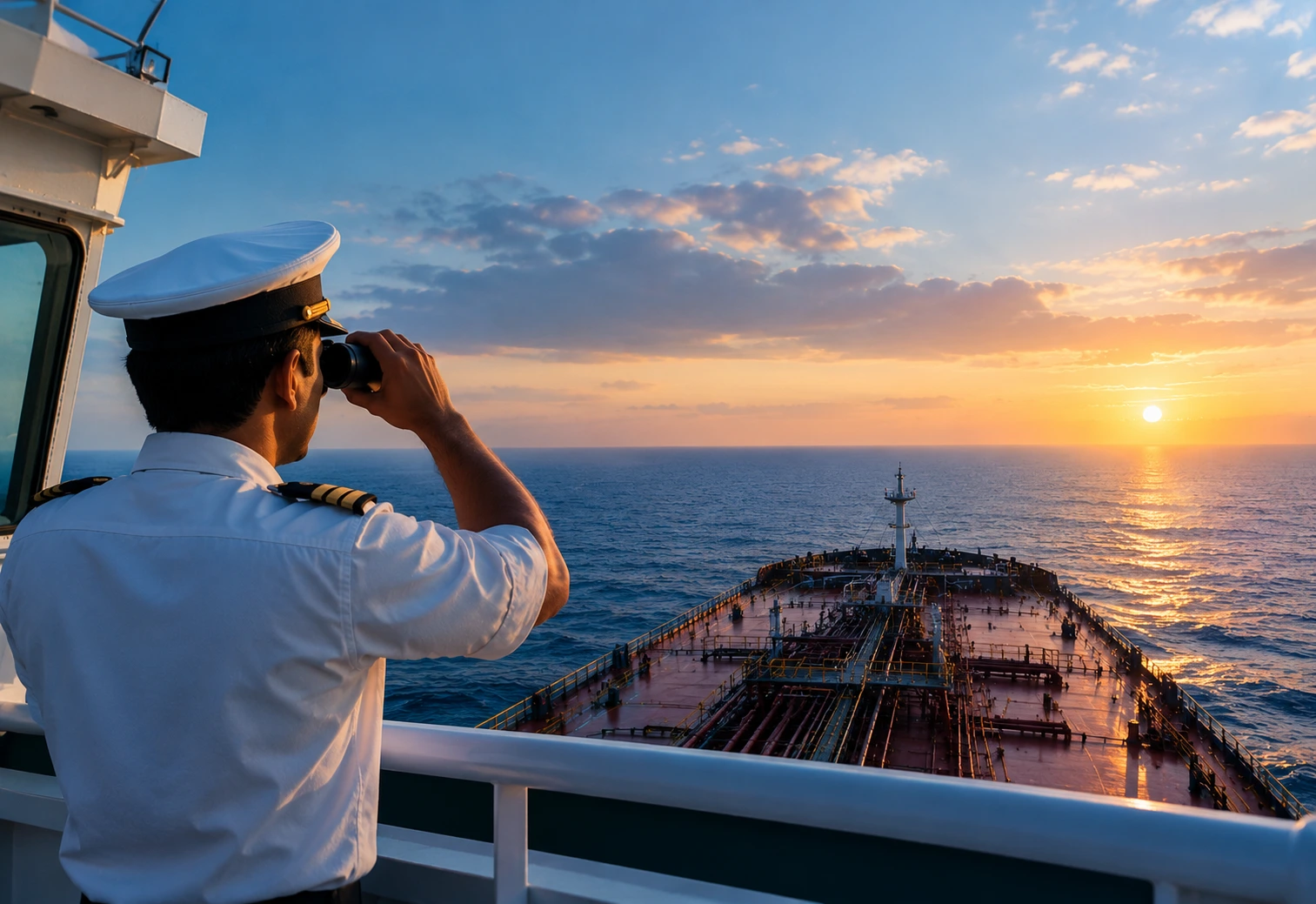
I became Second Officer in 2002, Chief Officer in 2005 and Master in 2012. The progression was gradual, with each rank bringing new demands and teaching me more about both the profession and myself.
During those years, I sailed on crude oil tankers, general cargo ships, bulk carriers, product tankers, chemical tankers and LPG carriers. After joining MOL, I also served on car carriers. Each vessel type required its own discipline and deepened my understanding of seamanship and responsibility.
I became Second Officer in 2002, Chief Officer in 2005 and Master in 2012. The progression was gradual, with each rank bringing new demands and teaching me more about both the profession and myself.
During those years, I sailed on crude oil tankers, general cargo ships, bulk carriers, product tankers, chemical tankers and LPG carriers. After joining MOL, I also served on car carriers. Each vessel type required its own discipline and deepened my understanding of seamanship and responsibility.
07
Which vessels were the most demanding to work on?
General cargo ships could be demanding. Some of the vessels I sailed on were already 27 or 28 years old, with cranes on board and a considerable amount of maintenance work. They taught you to be practical, resourceful and patient.
Tankers and LPG carriers were demanding in a different way because operations followed very clearly defined procedures and safety requirements. They reinforced the importance of discipline and consistency—there was little room for deviation.
Car carriers brought another kind of responsibility. The cargo is right in front of you, and every vehicle has value. Even a small scratch is visible, so attention to detail becomes extremely important.
Tankers and LPG carriers were demanding in a different way because operations followed very clearly defined procedures and safety requirements. They reinforced the importance of discipline and consistency—there was little room for deviation.
Car carriers brought another kind of responsibility. The cargo is right in front of you, and every vehicle has value. Even a small scratch is visible, so attention to detail becomes extremely important.
08
What did you observe about the way MOL dealt with those situations?
What I appreciated was the way incidents and accidents on board were handled. There was freedom to speak openly about the facts. The focus was on understanding the root cause and, more importantly, on what could be changed to prevent the same thing from happening again. The intent was to learn from a mistake, not simply to find someone to blame.
In my experience, that approach makes people more comfortable reporting and discussing problems honestly. That matters because meaningful improvement is possible only when people are willing to speak about what went wrong.
In my experience, that approach makes people more comfortable reporting and discussing problems honestly. That matters because meaningful improvement is possible only when people are willing to speak about what went wrong.
09
How did becoming a Master change your responsibilities?
Becoming Master certainly meant being responsible for every individual on board, as well as for the vessel and the cargo. But I came to feel that managing people was one of the most complex parts of the role. Technical knowledge is essential; people, however, do not always respond in the same way to the same situation.
I tried to make my officers comfortable coming to me if they had a doubt or had made a mistake. My concern was simple: if someone hesitated to speak, a small issue could become a much bigger one. I did not always have every answer, but I wanted communication on board to remain open.
I also encouraged officers to understand more than just their own responsibilities. If there were four officers on board, I felt it was useful for each of them to understand enough about the others' roles to support one another when necessary. That helped us function as a team rather than as individuals working in separate compartments.
I tried to make my officers comfortable coming to me if they had a doubt or had made a mistake. My concern was simple: if someone hesitated to speak, a small issue could become a much bigger one. I did not always have every answer, but I wanted communication on board to remain open.
I also encouraged officers to understand more than just their own responsibilities. If there were four officers on board, I felt it was useful for each of them to understand enough about the others' roles to support one another when necessary. That helped us function as a team rather than as individuals working in separate compartments.
10
What were you like as a captain?
I tried to listen. You cannot satisfy everyone, and I certainly would not claim that I always got everything right, but I felt people deserved to be heard.
I also learned not to dismiss things simply because they appeared small. Food, for example, can have a surprisingly large effect on morale on a ship.
On my first voyage as Master, the food was not very good and I could see that the crew were unhappy. I cook a little myself, so I started working with the chief cook to see what we could improve. It was nothing extraordinary, but it reinforced something important for me: after someone has worked hard all day, a good meal can make a real difference. Leadership is sometimes found in those seemingly small details.
I also learned not to dismiss things simply because they appeared small. Food, for example, can have a surprisingly large effect on morale on a ship.
On my first voyage as Master, the food was not very good and I could see that the crew were unhappy. I cook a little myself, so I started working with the chief cook to see what we could improve. It was nothing extraordinary, but it reinforced something important for me: after someone has worked hard all day, a good meal can make a real difference. Leadership is sometimes found in those seemingly small details.
11
Were there any incidents that changed the way you approached safety?
Yes. One incident from my cadet days has stayed with me throughout my career. We were undergoing an annual survey in Mumbai, including an inspection to confirm that the hatches were weathertight. I was with one of the surveyors. After inspecting one hold, he asked me to get him some water. Before I left, I specifically asked him not to enter the next cargo hold because I had not yet shifted the lights there. Some of the tween decks were open, creating a serious risk of a free fall.
When I returned, I could not find him. As I had feared, he had entered the unlit hold. I went down with a torch and found that he had fallen from a tween deck. He survived the fall, but sadly he was paralysed for the rest of his life.
I have never forgotten that incident. It taught me that what sounds like a small safety instruction may exist for a very serious reason. Later in my career, whenever I gave such an instruction, that experience was somewhere in my mind. Safety procedures can sound routine—until the day you understand why they exist.
When I returned, I could not find him. As I had feared, he had entered the unlit hold. I went down with a torch and found that he had fallen from a tween deck. He survived the fall, but sadly he was paralysed for the rest of his life.
I have never forgotten that incident. It taught me that what sounds like a small safety instruction may exist for a very serious reason. Later in my career, whenever I gave such an instruction, that experience was somewhere in my mind. Safety procedures can sound routine—until the day you understand why they exist.
12
Was there ever a moment when you genuinely feared for the ship?
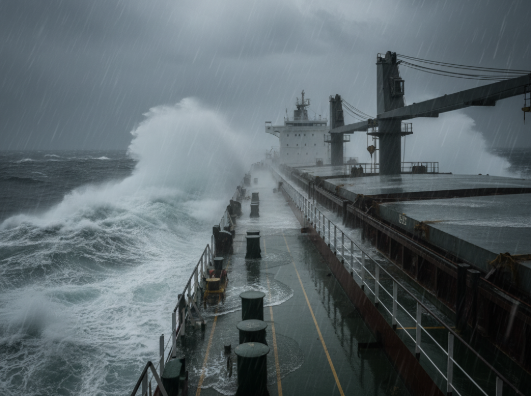
Yes. I was Second Officer on a Capesize bulk carrier off South Africa. There were warnings about abnormal waves in the area—waves that could reach eight metres and above. We knew the conditions were serious, but experiencing them was very different from reading a warning.
We were hit by two of those waves.
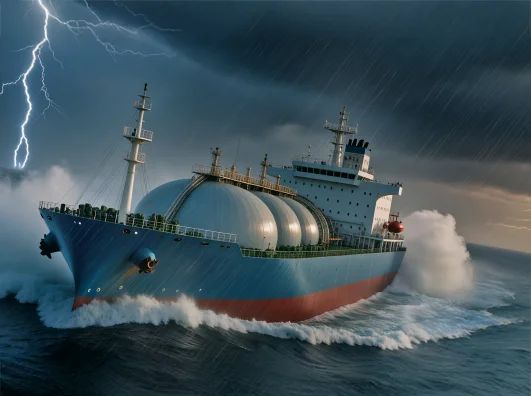
When a ship meets a wave of that size, she climbs up and then drops from the crest. For those few seconds, you genuinely do not know how she will respond. It is a very humbling experience. She came up after the first wave—and then another one hit us.
Eventually, we moved closer to the coast and into calmer waters, but the ship had suffered considerable damage. We were fortunate to come through it safely.
Experiences like that stay with you. They teach you to respect warnings, respect the limits of the vessel and, above all, respect the sea.
We were hit by two of those waves.
When a ship meets a wave of that size, she climbs up and then drops from the crest. For those few seconds, you genuinely do not know how she will respond. It is a very humbling experience. She came up after the first wave—and then another one hit us.
Eventually, we moved closer to the coast and into calmer waters, but the ship had suffered considerable damage. We were fortunate to come through it safely.
Experiences like that stay with you. They teach you to respect warnings, respect the limits of the vessel and, above all, respect the sea.
13
Would a ship handle the same situation differently today?
More than the ship itself, I believe a seafarer today would be better supported and more resourceful in decision-making. There is now a much stronger support system. Ships have satellite data, weather-routing systems and dedicated shore-based safety monitoring, such as MOL's own SOSC, so the Master is not left to assess every developing situation alone.
A captain today can make decisions with far more information about what lies ahead. The responsibility for the final decision remains with the Master, of course, but timely information and shore support can make a significant difference.
A captain today can make decisions with far more information about what lies ahead. The responsibility for the final decision remains with the Master, of course, but timely information and shore support can make a significant difference.
14
What did you enjoy about being at sea?
There were many things I enjoyed. Summer voyages could be wonderful when the weather was good and the sea was calm. On longer passages, you had time to build a team, organise games and spend time together outside work. Those simple moments created a real sense of community on board.
And, of course, the profession allowed me to see parts of the world that I might never otherwise have seen. I have always considered that a privilege.
And, of course, the profession allowed me to see parts of the world that I might never otherwise have seen. I have always considered that a privilege.
15
Which places do you still remember most vividly?
There are several. Sailing through the Strait of Magellan was special. Narvik in northern Norway was beautiful, with mountains on both sides as you sailed through.
Near Sri Lanka, I remember seeing the sea light up at night. I have passed through the Bosphorus with houses just a couple of hundred metres away. Each place had something completely different about it.
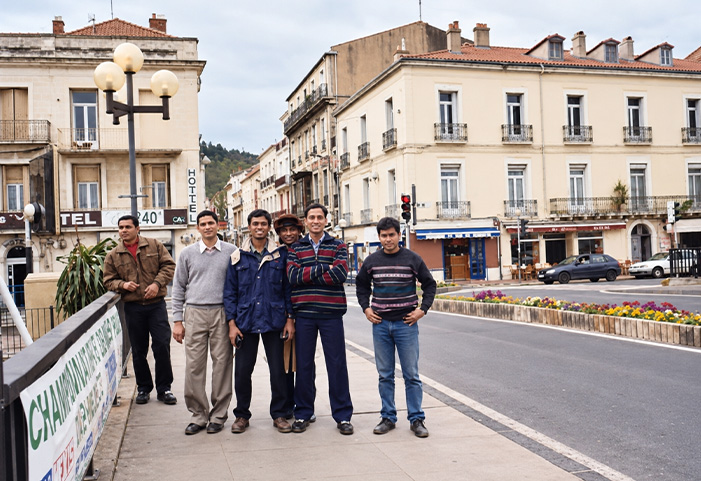
As a cadet, I spent nine or ten days near Venice, and I also remember Sète in France very fondly.
But some of my strongest memories are not really about destinations. Watching the sun rise or set when all you can see around you is the horizon is a very simple experience, but it stays with you.
Near Sri Lanka, I remember seeing the sea light up at night. I have passed through the Bosphorus with houses just a couple of hundred metres away. Each place had something completely different about it.
As a cadet, I spent nine or ten days near Venice, and I also remember Sète in France very fondly.
But some of my strongest memories are not really about destinations. Watching the sun rise or set when all you can see around you is the horizon is a very simple experience, but it stays with you.

16
And which conditions were the hardest?
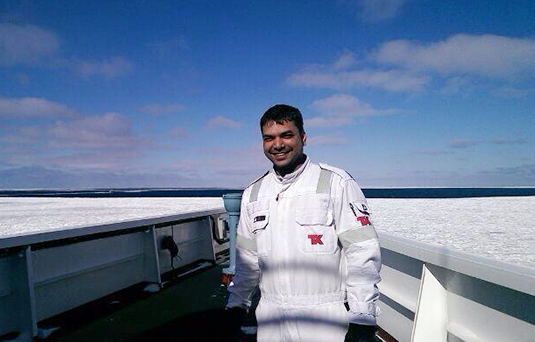
Winter in the North Pacific and North Atlantic could be very difficult. Your seamanship is tested in extreme conditions and freezing temperatures, and even routine work requires greater care and effort.
Morale can also fall during those periods. As Master, I learned that you have to understand the state of mind of your crew. There are times when pushing harder does not improve the situation. Sometimes good leadership means recognising when people need support, rest and time to recover.
Morale can also fall during those periods. As Master, I learned that you have to understand the state of mind of your crew. There are times when pushing harder does not improve the situation. Sometimes good leadership means recognising when people need support, rest and time to recover.
17
What led you to move ashore?
I came home from a voyage when my son was about three or four years old.
The next morning, the main door was open. He noticed it, ran across, closed the door and locked it. I realised that, in his own way, he did not want me to leave again.
It was such a small action, but it affected me deeply. Until then, I understood that being away was difficult for the family, but that moment made it very personal. I began to understand how much my absence was affecting him, and I moved ashore in 2015.
The next morning, the main door was open. He noticed it, ran across, closed the door and locked it. I realised that, in his own way, he did not want me to leave again.
It was such a small action, but it affected me deeply. Until then, I understood that being away was difficult for the family, but that moment made it very personal. I began to understand how much my absence was affecting him, and I moved ashore in 2015.
18
You recently spent some time at sea again. What had changed?
I sailed for about a week on one of our vessels going to Iraq, and life on board felt very different from the years when I was sailing regularly.
Seafarers can now speak to their families every day through video calls, and contracts are generally four or five months. From that perspective, life at sea has improved considerably compared with the time when we could be away for a year or more. I was genuinely pleased to see that change.
Seafarers can now speak to their families every day through video calls, and contracts are generally four or five months. From that perspective, life at sea has improved considerably compared with the time when we could be away for a year or more. I was genuinely pleased to see that change.
19
Has technology made the job easier overall?
In some ways, certainly. Technology has made many things more visible and accessible, but it has also brought different pressures and expectations.
Regulations have become much stricter, port inspections are more rigorous and the volume of documentation has increased. There is less room for mistakes, and seafarers today have to manage a great deal of information and compliance alongside the traditional responsibilities of operating the ship.
When I started, there could be more than 40 people on board. Today, a vessel may operate with around 22. Some roles have disappeared altogether, while the captain has taken on more responsibilities. So although technology has helped, I would not say the job has simply become easier. It has evolved, with fewer people expected to manage more information and responsibility.
Regulations have become much stricter, port inspections are more rigorous and the volume of documentation has increased. There is less room for mistakes, and seafarers today have to manage a great deal of information and compliance alongside the traditional responsibilities of operating the ship.
When I started, there could be more than 40 people on board. Today, a vessel may operate with around 22. Some roles have disappeared altogether, while the captain has taken on more responsibilities. So although technology has helped, I would not say the job has simply become easier. It has evolved, with fewer people expected to manage more information and responsibility.

20
How do you see opportunities for women at sea today?
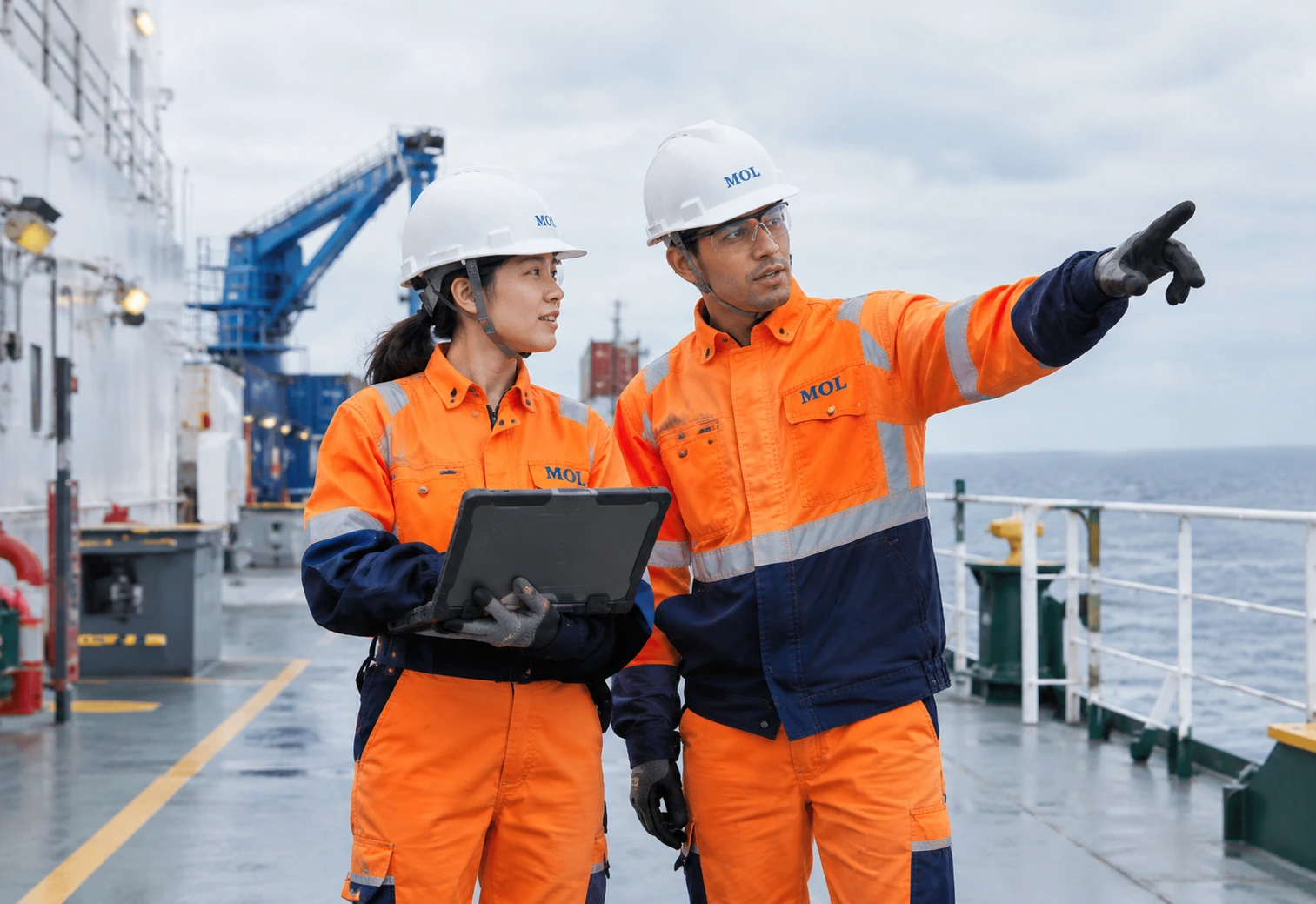
The physical demands of the work have changed considerably. Advances in technology, improved equipment and better safety gear have reduced much of the manual work once required.
Based on my experience, I see no major barrier to women building successful careers at sea. What matters most is competence, commitment and professionalism. As the industry continues to evolve, it is creating greater opportunities for anyone with the ability and dedication to succeed in the profession.
Based on my experience, I see no major barrier to women building successful careers at sea. What matters most is competence, commitment and professionalism. As the industry continues to evolve, it is creating greater opportunities for anyone with the ability and dedication to succeed in the profession.
21
From your experience, how would you describe MOL's approach to safety?
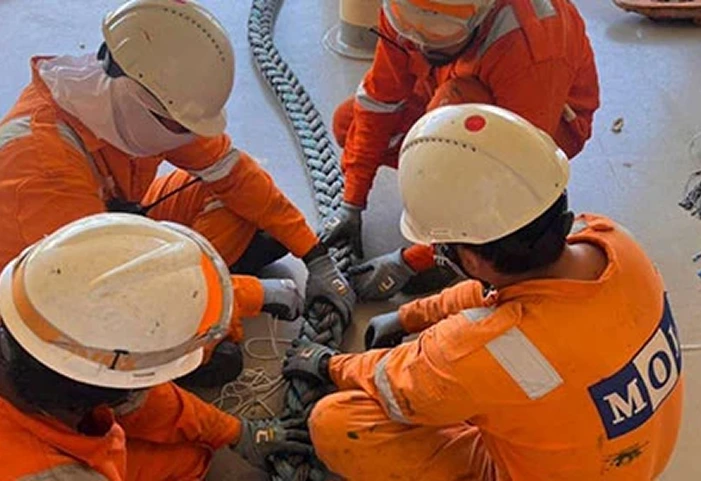
From my experience, when there is a genuine question involving the safety of a seafarer, the vessel or the cargo, commercial considerations do not come first. The decision is made with safety as the priority.
That gives people on board confidence. For someone carrying command responsibility, that support matters a great deal.
That gives people on board confidence. For someone carrying command responsibility, that support matters a great deal.
22
You have also continued studying throughout your career. What prompted that?
It actually began for a fairly simple reason. My sister used to tease me that everyone else was a graduate and I had gone to sea after Class 12. That gave me the initial push to start studying again.
I completed a BA in Public Administration through correspondence. Later, I did an MBA in Shipping and Port Management, an Executive MBA at NUS in Singapore and an MA in English Literature. I also started studying maritime law. Each course exposed me to a different way of thinking, and I found that valuable.
Over time, learning became something I genuinely enjoyed rather than something I did only for the next promotion. The more I studied, the more I realised how much there was still to learn. That has kept me curious throughout my career.
I completed a BA in Public Administration through correspondence. Later, I did an MBA in Shipping and Port Management, an Executive MBA at NUS in Singapore and an MA in English Literature. I also started studying maritime law. Each course exposed me to a different way of thinking, and I found that valuable.
Over time, learning became something I genuinely enjoyed rather than something I did only for the next promotion. The more I studied, the more I realised how much there was still to learn. That has kept me curious throughout my career.
23
What would you say to someone considering a career at sea today?
I would suggest not joining with only a financial target in mind—thinking that you will earn a certain amount and then leave. Money is naturally important, but I do not think it is enough by itself to sustain a career at sea.
If you decide to go to sea, give the profession your full commitment. Learn the job properly, listen to the people around you and first try to become a good seafarer. Where that experience takes you afterwards can be decided with time. Build the foundation first; the opportunities will follow.
If you decide to go to sea, give the profession your full commitment. Learn the job properly, listen to the people around you and first try to become a good seafarer. Where that experience takes you afterwards can be decided with time. Build the foundation first; the opportunities will follow.
24
Looking back, how has the sea shaped you?
I think it has made me calmer—or at least taught me the importance of staying calm when something goes wrong. I am naturally quite instinctive, but my years at sea helped me channel that instinct and combine it with judgement.
My family sometimes say that even when something serious happens, I do not react immediately. Part of that probably comes from our training at sea. When you face an emergency on a ship, panic does not help. You first try to understand what has happened, decide what needs to be done and then act. I have tried to carry that approach into life ashore as well.
The sea has also given me a lasting respect for nature. When you have seen what it can do, you realise very quickly that experience and technology do not make us bigger than nature. We can prepare, make good decisions and reduce risk, but we still have to respect its power.
My family sometimes say that even when something serious happens, I do not react immediately. Part of that probably comes from our training at sea. When you face an emergency on a ship, panic does not help. You first try to understand what has happened, decide what needs to be done and then act. I have tried to carry that approach into life ashore as well.
The sea has also given me a lasting respect for nature. When you have seen what it can do, you realise very quickly that experience and technology do not make us bigger than nature. We can prepare, make good decisions and reduce risk, but we still have to respect its power.
25
As someone who has spent much of his career at sea and now works ashore, what would you want the next generation of seafarers to know about building a career with MOL?
A career at sea can give you much more than technical experience. You learn responsibility quite early, you learn to work with people from different backgrounds, and you learn to make decisions in situations where not everything is within your control. I found those lessons valuable well beyond my time on board.
For someone starting out, I think the environment you choose also matters. It helps to be with a company that gives you opportunities to learn and, equally importantly, gives you confidence that safety will come first when difficult decisions have to be made. That has been important in my own experience with MOL.
If you come with a willingness to learn, remain humble and take the profession seriously, the experience you gain at sea can open many different paths. My own journey eventually brought me ashore, but even today, much of what I rely on was learned from the people I sailed with and the experiences I had on board. I remain grateful for both.
For someone starting out, I think the environment you choose also matters. It helps to be with a company that gives you opportunities to learn and, equally importantly, gives you confidence that safety will come first when difficult decisions have to be made. That has been important in my own experience with MOL.
If you come with a willingness to learn, remain humble and take the profession seriously, the experience you gain at sea can open many different paths. My own journey eventually brought me ashore, but even today, much of what I rely on was learned from the people I sailed with and the experiences I had on board. I remain grateful for both.